UV Sanitation: The Cutting-Edge Innovation Transforming Cleanliness Practices
In the realm of sanitation techniques, one modern technology has actually emerged as a game-changer: UV sanitation. From health care settings to food handling, UV disinfection is making its mark in numerous markets.
How UV Sanitation Functions
UV disinfection functions by utilizing ultraviolet light to destroy or suspend microbes, supplying a chemical-free and very efficient method of hygiene. This technology takes advantage of the power of short-wavelength UV-C light, which can harming the DNA and RNA of bacteria, hence making them unable to create and replicate injury.
The process starts with the installation of UV sanitation systems, which consist of UV lamps that discharge UV-C light. These lamps are tactically positioned in locations where microbial contamination is a worry, such as water therapy plants, health centers, research laboratories, and food handling facilities.
When microbes are subjected to UV-C light, the photons permeate their cell walls and get to the DNA and RNA within. The high-energy UV-C photons disrupt the hereditary product by creating bonds in between adjacent nucleotides, causing the formation of thymine dimers. These dimers stop the microbes from reproducing, rendering them safe.
UV sanitation is highly efficient versus a vast array of microorganisms, consisting of infections, germs, and bloodsuckers. It is particularly reliable against waterborne virus like E. coli, Giardia, and Cryptosporidium. UV sanitation is a chemical-free approach, eliminating the need for potentially harmful disinfectants and reducing the risk of hazardous disinfection spin-offs.
Advantages of UV Disinfection
UV disinfection provides many advantages in the area of hygiene, making it an extremely chosen method for successfully removing unsafe microbes. Among the crucial advantages of UV disinfection is its capability to supply a chemical-free solution. Unlike traditional sanitation techniques that count on chemicals, UV sanitation makes use of ultraviolet light to ruin the DNA of microbes, providing them not able to recreate and trigger infections. This not only removes the requirement for possibly hazardous chemicals but additionally lowers the danger of chemical residue on surfaces.
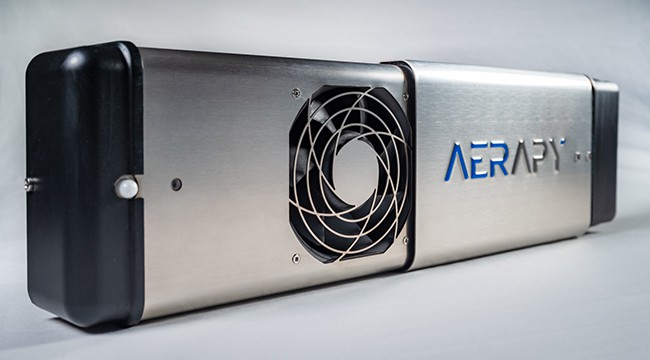
UV sanitation is also very flexible in its applications. It can be utilized in different settings, including medical facilities, colleges, food handling centers, and water therapy plants. UV disinfection systems can be quickly integrated into existing hygiene techniques, giving an extra layer of security against contagious illness.
Along with its efficiency and adaptability, UV disinfection is likewise eco-friendly. It does not create any unsafe byproducts or residues, making it a sustainable and risk-free technique for hygiene - uv surface disinfection. Furthermore, UV disinfection requires minimal upkeep and has a lengthy life-span, leading to expense savings over time.
UV Sanitation in Medical Care Settings
In medical care setups, UV sanitation has actually emerged as a cutting-edge approach for effectively eliminating dangerous microbes. The usage of UV light to sanitize surface areas and tools has gained popularity due to its capacity to offer an additional layer of protection against pathogens. UV sanitation works by releasing ultraviolet light at a certain wavelength that is deadly to bacteria, viruses, and various other bacteria. This technology uses a number of advantages in medical care settings.
To start with, UV sanitation is a non-chemical method, making it an eco pleasant alternative compared to standard sanitation methods that commonly include using severe chemicals. The usage of UV light removes the need for chemical disinfectants, reducing the threat of dangerous deposit or chemical exposure to both individuals and health care employees.
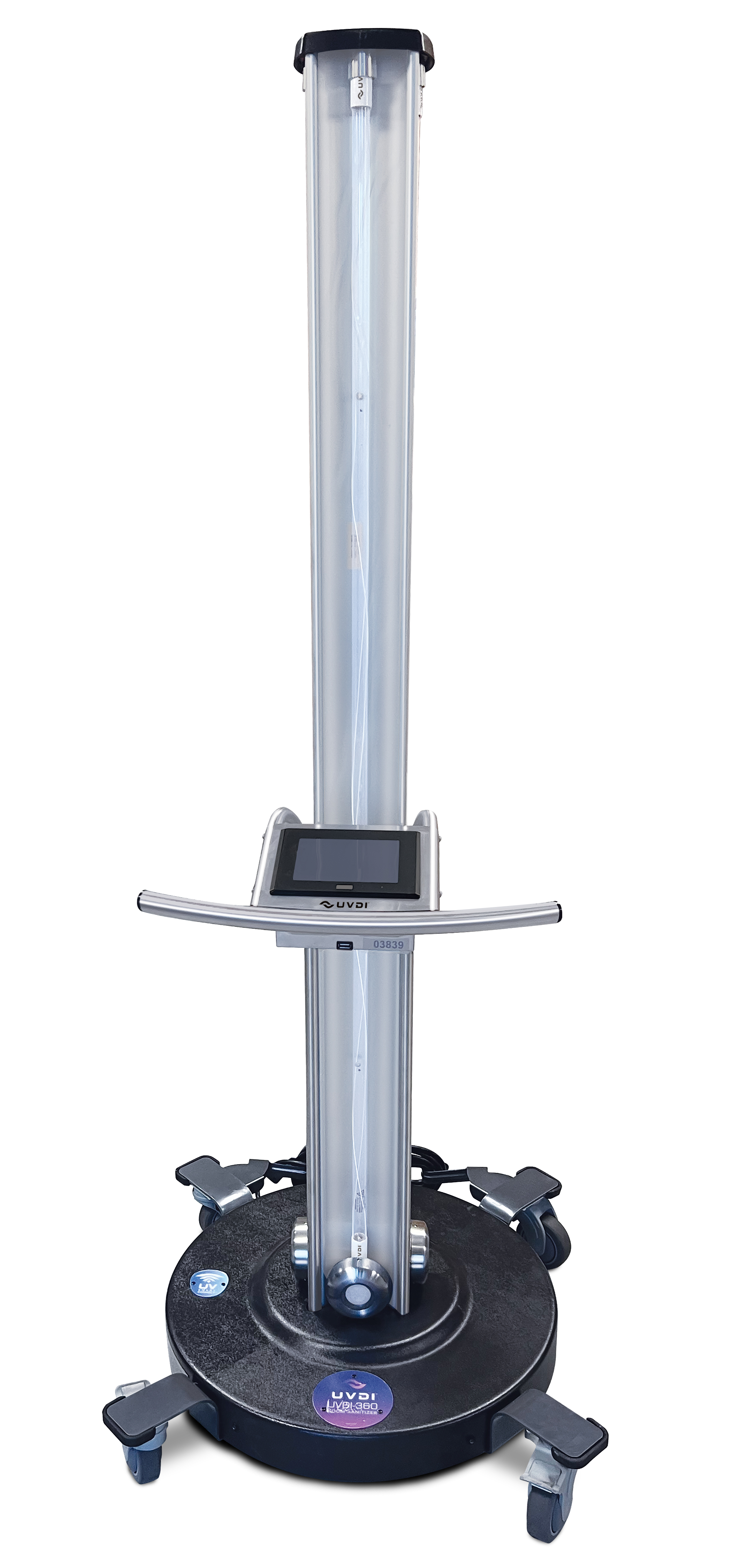
Additionally, UV disinfection is very reliable in killing a large array of microbes, including drug-resistant microorganisms such as MRSA and click resources C. difficile. It provides a reputable and constant sanitation procedure, making certain that all surfaces and equipment are thoroughly disinfected, also in hard-to-reach locations.
UV Sanitation in Food Processing
The application of UV disinfection extends beyond health care settings and finds significant value in the realm of food processing. uv surface disinfection. UV disinfection innovation is ending up being progressively prominent in the food industry as a result of its capacity to efficiently remove harmful virus and enhance food safety

One of the primary benefits of UV disinfection in food processing is its capability to target a wide range of bacteria, consisting of viruses, germs, and molds. By utilizing UV light at specific wavelengths, it is possible to interrupt the DNA and RNA of these pathogens, rendering them unable to duplicate or create damage. This technology can be put on numerous phases of the food handling chain, including surface disinfection, equipment sanitation, and water treatment.
UV disinfection offers a non-thermal and chemical-free technique of disinfecting food products. Unlike conventional disinfection approaches that count on chemicals or heat, UV modern technology does not leave any kind of residue or change the taste, structure, or nutritional worth of the food. This makes it an ideal solution for sectors that need strict adherence to quality requirements.
Additionally, UV sanitation systems are very easy to operate and install, calling for minimal maintenance. They can be incorporated into existing processing lines without causing significant disruptions to the manufacturing process. In addition, UV systems have a fast therapy time, permitting for constant processing and lowering downtime.
The Future of UV Disinfection
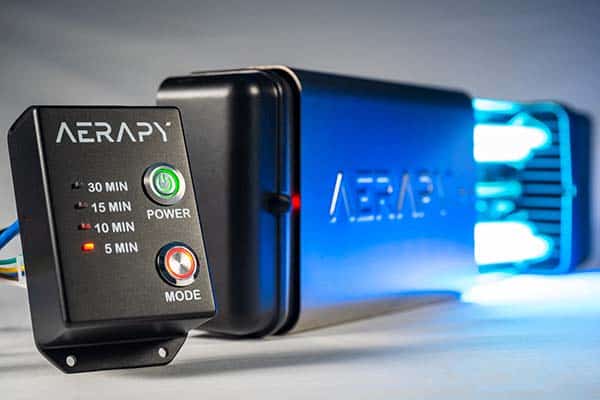
One location where UV disinfection is anticipated to make substantial developments remains in the field of health care. With the rise of antibiotic-resistant microorganisms and the requirement for extra efficient disinfection approaches, UV light has the potential to play a vital duty in decreasing healthcare-associated infections. UV sanitation systems can be used to decontaminate surfaces, tools, and also the air in medical care website link centers, aiding to avoid the spread of hazardous microorganisms and improve individual safety and security.
Another industry that could gain from improvements in UV disinfection modern technology is the food sector. UV light has already verified to be an efficient technique for decontaminating foodstuff and lowering the threat of foodborne health problems. As innovation enhances, we can expect to see more efficient and economical UV disinfection systems being executed in food processing plants, ensuring that the food we eat is secure and cost-free from harmful microorganisms.
Final Thought
In verdict, UV sanitation is a cutting-edge modern technology that is changing cleanliness methods in healthcare setups and food handling. By making use of UV light to kill or shut off bacteria, it provides various benefits such as efficiency, efficiency, and security. With continuous innovations in this area, UV disinfection holds fantastic possible for the future of sanitation, giving a dependable and lasting remedy for keeping tidy and sanitary atmospheres.
UV disinfection is a chemical-free technique, eliminating the demand for potentially harmful anti-bacterials and decreasing the danger of harmful disinfection by-products.
Unlike traditional disinfection methods that count on chemicals, UV sanitation uses ultraviolet light to ruin the DNA of microbes, rendering them not able to replicate and cause infections. Unlike conventional disinfection techniques that rely on chemicals or heat, UV innovation does not leave any kind of residue or change the preference, appearance, or dietary worth of the food. As technology enhances, we can anticipate to see extra reliable and affordable UV sanitation systems being carried out in food processing plants, ensuring that the food we eat is safe and free from harmful bacteria.
In final thought, UV disinfection is a sophisticated technology that is changing cleanliness practices in healthcare settings and food processing.